
Physiotherapy Department
A Physiotherapy & Physical Rehabilitation Department is a physical medicine facility engineered to restore movement, improve functional mobility, relieve pain, and prevent permanent disability in patients recovering from orthopedic surgeries, neurological events (such as strokes or spinal cord injuries), sports trauma, or chronic musculoskeletal conditions.
End-to-End Architectural Planning, Gait Analysis Infrastructure, Hydrotherapy Suites, Electrotherapy Modalities, and Heavy-Duty Kinesiotherapy Gyms
MediHeaven delivers complete turnkey engineering for modern Physiotherapy & Rehabilitation Departments—combining open-concept exercise suites, sound-attenuated modality cubicles, zero-threshold hydrotherapy pools, robotic gait assessment systems, and ceiling-suspended weight-bearing tracks.
Unlike passive outpatient clinics, a comprehensive rehabilitation center balances quiet, individual treatment cubicles with wide-open, heavy-duty exercise gyms and specialized wet environments like hydrotherapy pools. Engineering a turnkey physiotherapy center requires reinforced floor load capacities for heavy machinery, shock-absorbent non-slip flooring, ceiling-mounted patient transfer hoists, specialized humidity control for hydrotherapy, and flexible electrical infrastructure for advanced electrotherapy modalities. MediHeaven designs and constructs high-throughput, barrier-free rehabilitation centers that empower patients toward physical independence.

Key Functional Zones & Spatial Planning
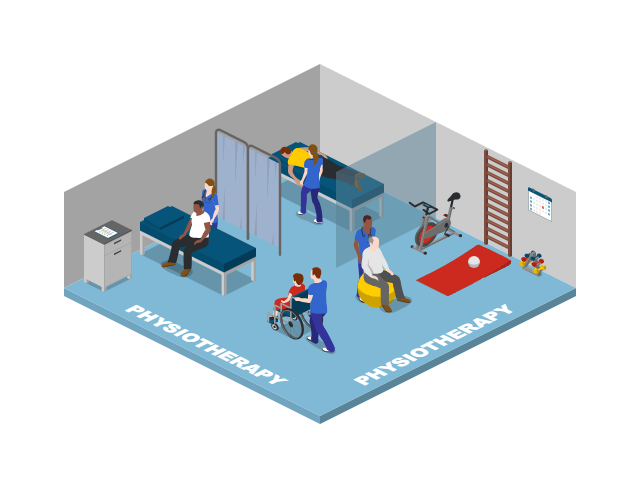
Electrotherapy & Physical Modality Bays:
Acoustically insulated, curtained or walled cubicles equipped with multi-channel electrotherapy units (TENS, IFT, neuromuscular stimulation), therapeutic ultrasound, shortwave diathermy, high-intensity laser therapy (HILT), and extracorporeal shockwave therapy (ESWT).
Kinesiotherapy & Active Exercise Gymnasium:
Spacious, open-plan therapeutic gym featuring parallel walking bars, wall-mounted stall bars, posture mirrors, medical treadmills, stationary recumbent bikes, resistance pulley systems, and balance trainers.
Neurological & Robotic Gait Rehabilitation Suite:
High-tech rehabilitation area housing body-weight supported treadmill systems (BWSTT), robotic exoskeleton gait trainers, virtual reality balance platforms, and motion-capture sensor grids for stroke and spinal cord recovery.
Hydrotherapy & Aquatic Rehabilitation Suite:
Zero-threshold aquatic therapy pool featuring temperature-regulated water (33 ∘ C to 35 ∘ C), underwater treadmills, counter-current resistance jets, hydraulic pool lifts, and surrounding non-slip drainage decks.
Occupational Therapy & ADL Simulation Lab:
Simulated real-world environment equipped with a mock kitchen, accessible bathroom, bed transfer modules, and fine-motor rehabilitation stations to retrain patients in Activities of Daily Living (ADL).
Pediatric & Sports Injury Rehabilitation Zone:
Specialized sub-area equipped with pediatric sensory integration tools, soft play obstacles, high-speed biomechanical motion analysis cameras, and athletic agility reconditioning turf.
Reinforced Structural Floor Load Capacity (≥5.0 kN/m2):
Engineered floor slabs reinforced to handle point loads from heavy gym machinery, hydrotherapy tanks, parallel bars, and group exercise equipment without structural deflection.
Overhead Ceiling Track & Patient Hoist Grid:
Ceiling-anchored structural steel framework supporting motorized harness tracks (250+ kg weight rating) to safely assist non-ambulatory patients during gait training and transfers.
Impact-Absorbent, High-Traction Slip-Resistant Flooring (R10/R11 Rated):
Seamless rubberized or cushioned athletic vinyl flooring engineered to absorb joint impact, dampen acoustic vibrations, and provide high slip resistance even when wet.
Hydrotherapy Dehumidification & HVAC (50%–60% RH):
Dedicated corrosion-resistant ventilation system maintaining negative air pressure, high air exchange rates (10–12 ACH), and active dehumidification to prevent mold growth and chlorine vapor buildup.
Ground Fault & Electrical Safety Protection (RCD/GFCI):
Isolated electrical circuits with sensitive Residual Current Devices (RCD/GFCI) across all electrotherapy bays and hydrotherapy pump units to prevent electrical shocks during wet or conductive treatments.
Specialized Engineering & Safety Standards

Clinical Workflows & Continuum of Care
Functional Evaluation & Biomechanical Screening: Comprehensive baseline evaluation including range-of-motion (ROM) testing, manual muscle testing (MMT), gait analysis, and pain scoring.
Acute Pain & Inflammation Management: Application of targeted electrotherapy modalities, cryotherapy, or thermotherapy in private treatment bays to prepare tissues for movement.
Active Kinesiotherapy & Neuromuscular Re-Education: Progressive strength training, balance retraining, robotic-assisted gait practice, or aquatic exercise under direct therapist supervision.
Functional Independence Testing & Discharge Planning: Assessment of ADL independence, home exercise program (HEP) prescription, and transition to outpatient maintenance or community wellness.